
Registration vs Title In North Carolina
Our editorial team is made up of the same local buyers, dispatchers, and title specialists who handle Charlotte-area junk vehicle purchases every day. Every guide is written from real transaction experience and current North Carolina DMV requirements.
Title and registration get used interchangeably in everyday conversation, but they're two separate documents that do two very different jobs. Confusing them is one of the most common sources of friction when a Charlotte seller tries to transfer a car — and one of the easiest things to fix once you know the difference.
Here's the plain-English breakdown of what each document is, what it does, and what you actually need to sell a car in NC.
The title is the ownership document
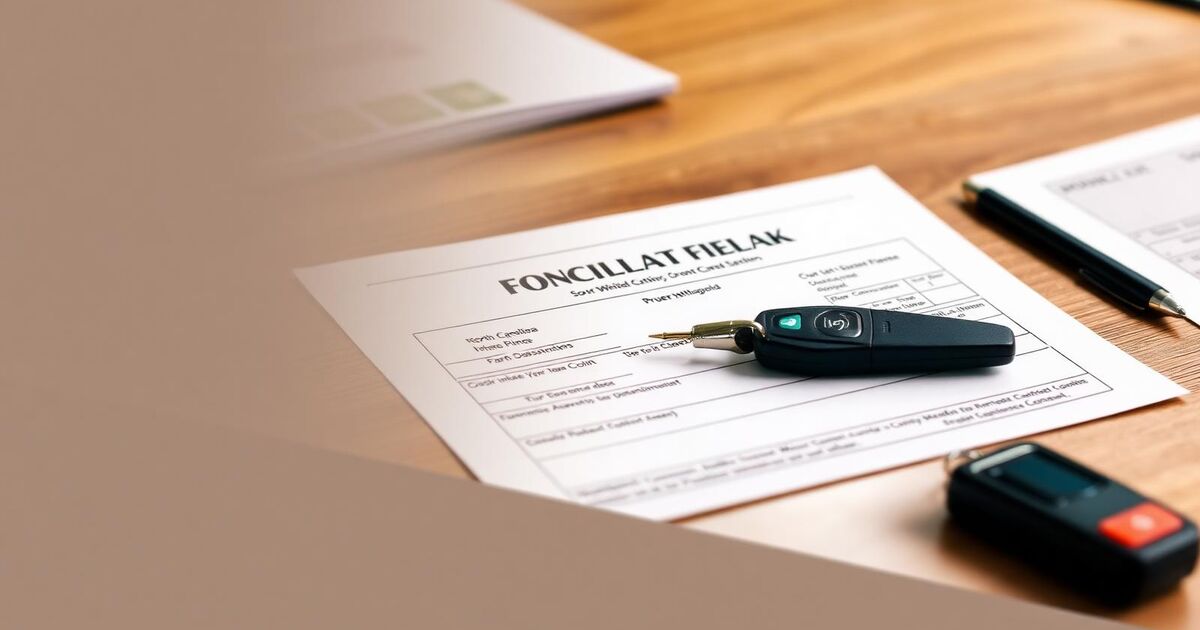
The Certificate of Title (the "pink slip," though NC titles aren't actually pink anymore) is the legal proof that you own the vehicle. It's a single document issued by NCDMV that lists the owner's name, the VIN, the year/make/model, any liens, and any title brands (salvage, rebuilt, flood, etc.). Without a title, you don't legally own the car — and no one else can buy it from you and register it themselves.
Titles are issued once per ownership change. When you buy a car, the previous owner signs the back of their title over to you, and you take that signed document to the DMV to have a new title issued in your name. The DMV then mails you the new title — usually within 4–6 weeks.
The registration is the right-to-drive document
Vehicle registration is what makes the car legal to drive on public roads. It comes as a registration card (kept in the glove box) and a license plate, and it's renewed every year (or every two years in some cases). Registration requires proof of insurance, payment of property tax, and a current safety/emissions inspection in most NC counties — including all of Mecklenburg, Cabarrus, Union, and Gaston.
Your registration card is NOT a substitute for a title. It proves the car is legally on the road; it doesn't prove ownership for sale purposes. A buyer can't take your registration card to the DMV and register the car in their name — they need a properly signed title.
Why this matters when you sell
Most failed private-party sales we hear about in Charlotte happen because the seller thought registration was enough. Buyer hands over cash, seller signs the registration, buyer goes to register the car — and DMV sends them home empty-handed. Now nobody owns the car officially, the cash is gone, and the relationship is over.
To sell a car cleanly in NC, you need the title (signed over and, on vehicles under 10 years old, notarized). The registration card is helpful but not required. Buyers should never accept just a registration card — and sellers should never offer it as proof of sale.
What about license plates?
NC plates belong to the owner, not the car. When you sell, remove the plate and either transfer it to your next vehicle (paying the transfer fee) or surrender it at the DMV for refund of any unused registration period. Never leave the plate on a sold car — tickets, tolls, and abandoned-vehicle issues will trace back to your name until the new owner registers it.
When we pick up a junk car at your house in Charlotte, Concord, Mooresville, or anywhere else in the metro, the first thing the driver checks for is whether the plate is still attached. If you forget to remove it, we'll remind you on the spot — it stays with you, not with the car.
Get a cash offer on your car today
Same-day pickup across Charlotte and the surrounding metro. Cash paid on the spot, free towing included.
Related pages
- Related service: Service: junk car removal
- Related city: Cash for junk cars in charlotte
Frequently asked questions
Popular vehicle guides
Model-specific pages with real Charlotte purchase examples and current values.